Homepage | Applications
Applications
Embedded Vision in Action
"Vision" for industry and series products
Embedded Vision brings image capture and image processing to devices, machines, and systems. The technology enables the recognition of objects and people, process and quality control, as well as navigation and autonomous decision-making. With its data depth and analyzability, Embedded Vision is a key technology for numerous industries and applications.
Industries and applications for Vision Components
These fields of application and use-cases are exemplary of our customers' diverse projects.
Agriculture
Smart farming, precision farming, and yield monitoring
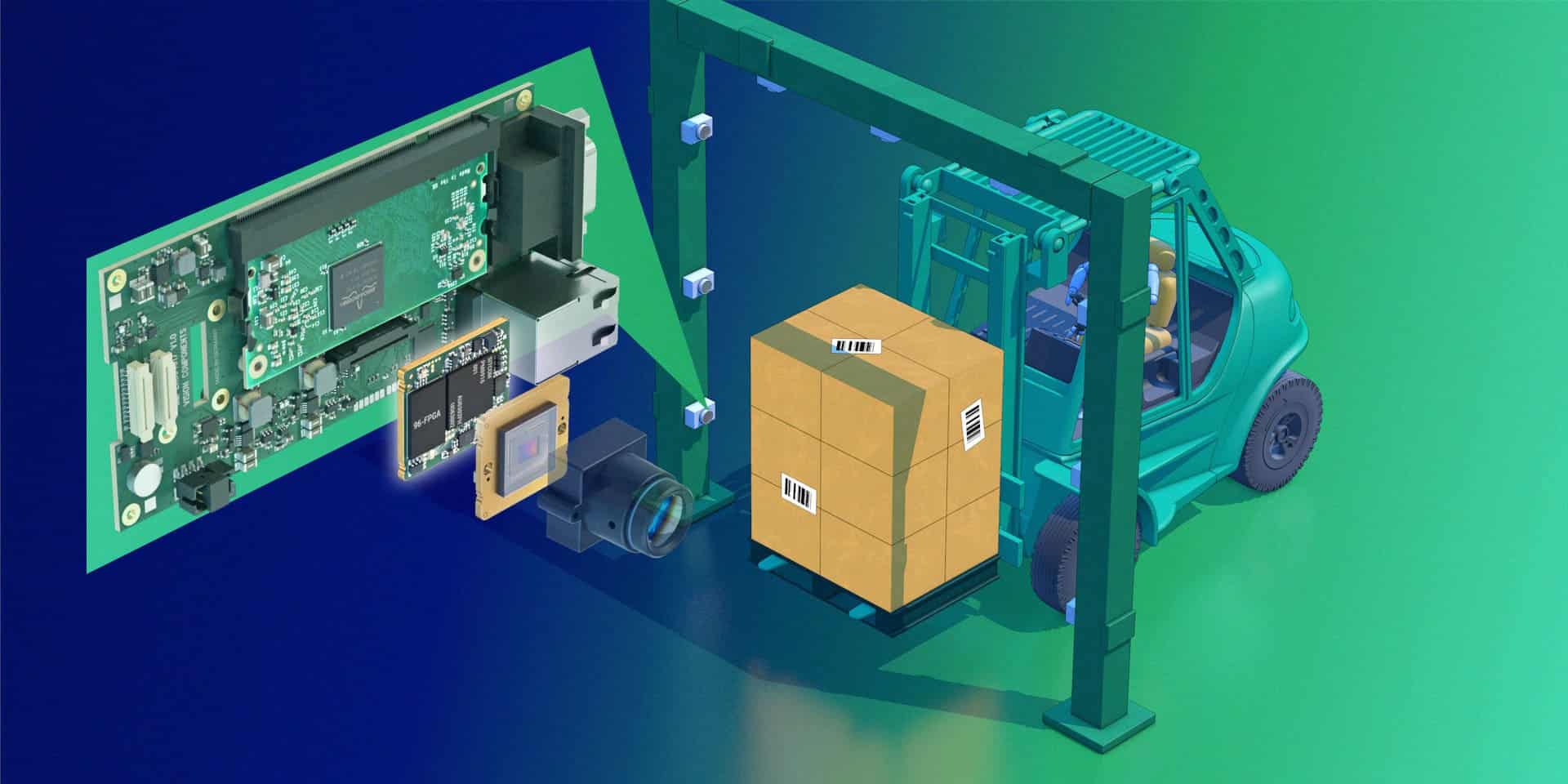
Logistics
Autonomous mobile systems, label and code recognition
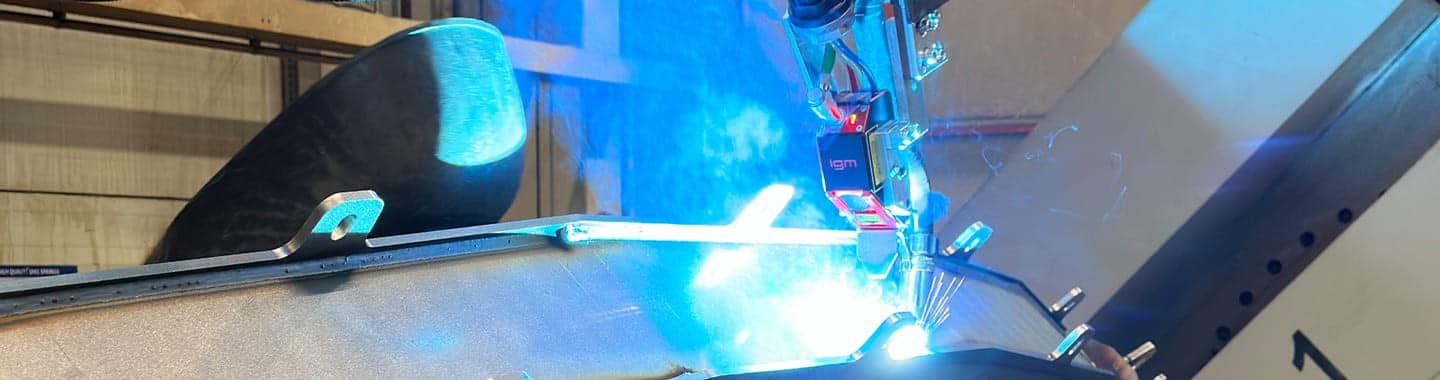
Industry & Production
Automation, process and quality assurance
ITS & Security
from traffic monitoring to surveillance and drones
Vision Components: Your partner for Embedded Vision in professional applications
- Made in Germany
- 30+ years of experience
- long-term available
- industrial-grade quality
- fully customizable
VC is a developer and manufacturer – not a distributor. Customers speak directly with experienced Embedded Vision experts and receive the components for their project from a single source. Individual adaptations and variants are possible at any time, perfectly matched to the respective application.
How can we support you with your Embedded Vision project? We would be happy to discuss your needs and requirements.
- Selection of the right image sensor
- Integration: camera module, components, or complete system?
- Design-in, review, and series qualification
VC Case Studies: Vision Components at work
Cameras and systems from Vision Components have proven themselves in many projects. Here we present some examples – and show why our partners chose VC.
Advanced Quality Control in Can Production
Smart camera-based inspection systems for can manufacturers.
More Information on Embedded Vision applications
Do you have any questions?
What is Embedded Vision?
Embedded vision refers to technologies and solutions that combine image capture and image processing in a compact design and that are “embedded” as components in devices and machines. The areas of application for embedded vision range from classic machine vision applications and industrial quality control to factory automation and intelligent household appliances, driver assistance systems and self-driving cars, autonomous robots and drones.
Over the past 30 years, Embedded Vision technology has developed rapidly and has produced ever smaller, more powerful and more energy-efficient embedded vision components. As a result, the areas of application have also become increasingly diverse. Artificial intelligence, which often processes visual data, is further reinforcing this trend.
What is an embedded vision system?
What do you need for an embedded vision system? What types of embedded vision systems are there?
A board-level camera, for example with a MIPI-CSI2 interface, is often - and quite correctly - referred to as an embedded camera and embedded vision component, as are complex systems that include a camera module, a processing unit with mainboard and system on module (SoM) as well as other electronics such as interface boards, digital I/Os etc.. Other components such as triggers, lighting and optics, other sensors and software can also be part of an embedded vision system.
Smart cameras that take over complete image processing images with onboard data processing are also referred to as embedded vision systems.
What are embedded cameras?
Embedded cameras or embedded vision cameras are board-level cameras or camera modules that can be installed in electrical devices. Pure image sensor modules and board-level cameras that combine an image sensor and processing unit are also referred to as embedded cameras.
What is a embedded vision system or machine vision system? What is the difference between them?
Embedded vision stands for ultra-compact components that are perfectly adapted to their respective application and use in industrial and series products. They dispense with unnecessary overhead in terms of components and functionality, thus ensuring low unit costs. Embedded vision systems are as small as possible and ideally suited to the design of edge devices and mobile applications. Other important aspects that are firmly associated with the term “embedded vision” are low power consumption, robust design, industrial-grade quality and long-term availability. The technology is therefore suitable for a wide range of devices and applications, from consumer products to highly specialized industrial applications.
With their high performance, low series costs and ease of integration[BD2] , embedded vision systems are also replacing conventional machine vision systems consisting of industrial cameras and external PC systems, which are used in industrial quality assurance, for example.